

Yo! I'm a supplier of Flat Embroidery Thread, and I've been getting a lot of questions about where this amazing thread comes from. So, I thought I'd sit down and share what I've learned over the years.
Let's start with the basics. Flat embroidery thread, as the name suggests, has a flat cross - section. This gives it a unique look and feel compared to regular round embroidery threads. But where did this type of thread first emerge?
The origin of flat embroidery thread can be traced back centuries. In ancient times, people used natural materials to create threads for embroidery. Things like silk, cotton, and linen were commonly used. Silk, in particular, was highly prized for its luster and strength. In cultures like ancient China and India, silk flat embroidery threads were used to create elaborate and detailed embroidery on clothing, tapestries, and religious artifacts.
The process of making flat embroidery thread has evolved a lot since then. Back in the day, it was a very labor - intensive process. Silk worms were carefully cultivated, and the silk was painstakingly extracted and spun into threads. The flat shape was often achieved through a process of flattening the spun threads using special tools.
As time went on, new technologies and materials came into play. With the Industrial Revolution, the production of flat embroidery thread became more efficient. Synthetic materials started to be used as well. Polyester, for example, became a popular choice for flat embroidery thread. It's strong, durable, and can be produced in a wide range of colors.
Now, let's talk about the different types of materials used in modern flat embroidery thread. High Tenacity Filament Yarn is one of the key components in many flat embroidery threads. You can learn more about it High Tenacity Filament Yarn. This type of yarn provides excellent strength and resistance to abrasion, which is crucial for embroidery that needs to withstand regular wear and tear.
When it comes to the production of flat embroidery thread, there are several steps involved. First, the raw materials are selected. Whether it's natural fibers like silk or synthetic ones like polyester, the quality of the raw material is very important. Then, the fibers are spun into yarn. This process involves twisting the fibers together to create a strong and continuous strand.
After spinning, the yarn is often treated to enhance its properties. This can include things like dyeing to achieve the desired color, and adding finishes to make the thread more resistant to moisture and fading. Once the yarn is ready, it's flattened to give it that characteristic flat shape. This can be done through various mechanical processes.

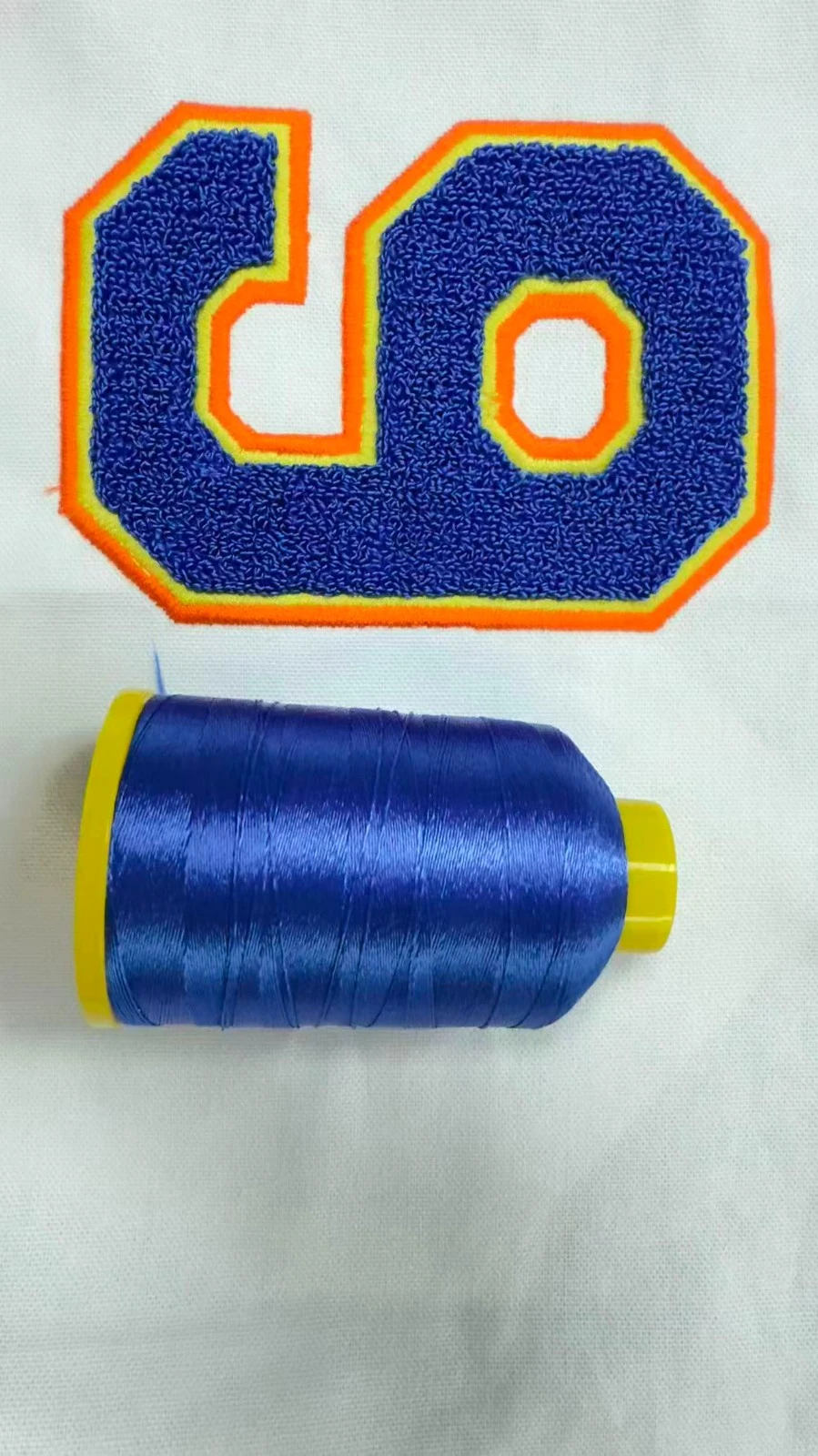
Flat embroidery thread has a wide range of applications. It's commonly used in the fashion industry for adding decorative elements to clothing. You can find it on shirts, jackets, and even accessories like handbags. Flat Embroidery Shirt Thread is specifically designed for use on shirts, and it can add a touch of elegance and style.
In the home decor industry, flat embroidery thread is used to create beautiful wall hangings, pillow covers, and tablecloths. The flat shape of the thread allows for a more detailed and precise embroidery, which can really enhance the overall look of these items.
As a supplier of Flat Embroidery Thread, I've seen firsthand how popular this thread has become. It's not just about the look; it's also about the quality and durability. Our flat embroidery thread is made using the latest technology and high - quality materials, ensuring that it meets the needs of our customers.
If you're in the market for flat embroidery thread, whether you're a small business owner looking to add some flair to your products or an individual hobbyist, I'd love to talk to you. We offer a wide range of colors and sizes to suit your specific needs. Whether you need a bright and bold color for a statement piece or a more subtle shade for a delicate design, we've got you covered.
Don't hesitate to reach out if you have any questions or if you're interested in placing an order. We're here to help you find the perfect flat embroidery thread for your project.
References
- Various historical texts on the history of embroidery and textile production
- Industry reports on the production and use of flat embroidery thread