

When it comes to the world of textiles, customisable cotton yarn stands out as a versatile and sought-after material. As a supplier of customisable cotton yarn, I've had the privilege of working closely with a diverse range of customers, from hobbyists to large-scale manufacturers. One of the most frequently asked questions I encounter is about the softness level of our customisable cotton yarn. In this blog post, I'll delve into the factors that determine the softness of cotton yarn, how we customise it to meet different softness requirements, and why it matters in various applications.
Understanding the Softness of Cotton Yarn
The softness of cotton yarn is influenced by several key factors, including the type of cotton used, the processing methods, and the yarn's construction.
Type of Cotton
Different varieties of cotton have distinct characteristics that affect their softness. For instance, Egyptian cotton is renowned for its long fibers, which contribute to a smooth and luxurious feel. Pima cotton, another high - quality variety, also offers excellent softness due to its fine and strong fibers. These premium cottons are often used in high - end customisable cotton yarns to provide a soft touch.

Processing Methods
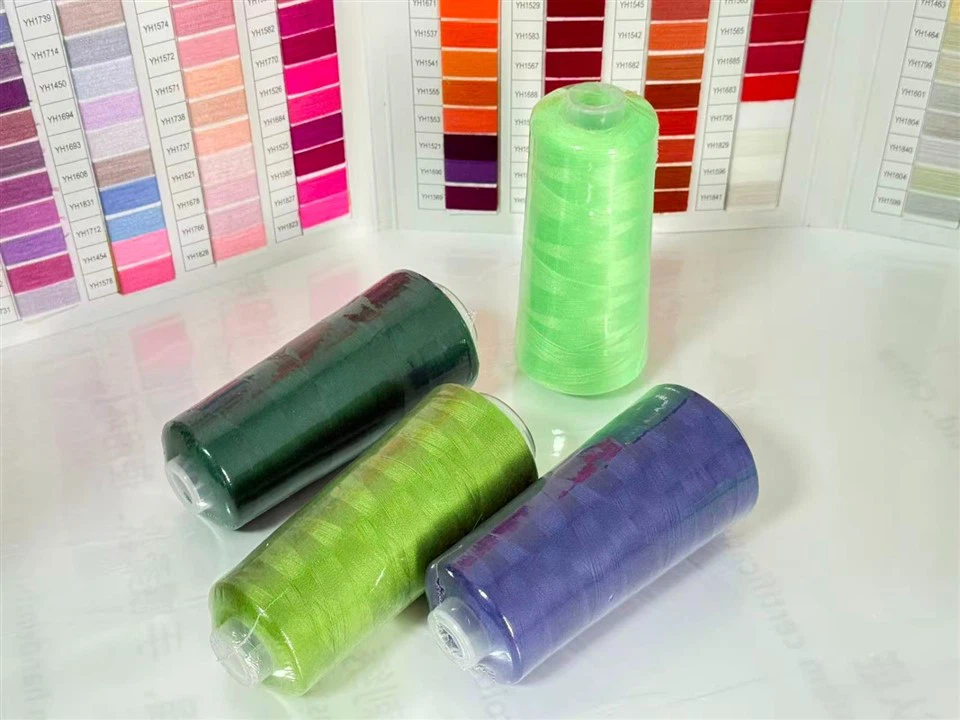
The way cotton is processed can significantly impact its softness. Mercerization is a common process that involves treating cotton yarn with a caustic soda solution. This treatment not only increases the yarn's strength and luster but also enhances its softness. Our Mercerized Cotton Embroidery Thread is a prime example of how mercerization can improve the softness of the yarn. The process aligns the cotton fibers, making the yarn smoother and more comfortable to the touch.
Yarn Construction
The way the yarn is spun and plied also plays a role in its softness. Single - ply yarns are generally softer than multi - ply yarns because they have fewer fibers twisted together. However, multi - ply yarns offer more strength and durability. We can customise the yarn construction based on the customer's needs for softness and other properties.
Customising Softness for Different Applications
As a customisable cotton yarn supplier, we understand that different applications require different levels of softness.
Hand Embroidery
For Cotton Yarn for Hand Embroidery, softness is crucial. Embroiderers need a yarn that glides smoothly through the fabric and feels comfortable against the skin. We offer customisable cotton yarns with a high level of softness, ensuring that the embroidery process is enjoyable and the final product is of the highest quality. Our yarns are carefully selected and processed to provide a soft and supple texture that enhances the embroidery experience.
Knitting
In knitting, the softness of the yarn can greatly affect the comfort of the finished garment. Whether it's a baby blanket or a cozy sweater, the wearer wants a soft and gentle touch. Our Pure Cotton Thread for Knitting can be customised to meet different softness requirements. We can adjust the type of cotton, the processing methods, and the yarn construction to create a yarn that is both soft and suitable for the specific knitting project.
Measuring Softness
Measuring the softness of cotton yarn is not an exact science, but there are several methods that can provide an indication. One common method is the subjective evaluation by touch. Experienced textile experts can feel the yarn and rate its softness based on their tactile perception. Another method is to use a friction tester, which measures the friction between the yarn and a surface. A lower friction value generally indicates a softer yarn.
Why Softness Matters
Softness is not just a matter of comfort; it also has a significant impact on the quality and appeal of the final product. In the case of clothing and accessories, a soft yarn can enhance the wearer's experience, making the item more comfortable and enjoyable to use. For decorative items such as embroidery and knitting projects, softness can add a touch of luxury and elegance.
Moreover, softness can also affect the marketability of the product. Consumers are often willing to pay more for products made from soft and high - quality yarns. By offering customisable cotton yarns with different softness levels, we can help our customers create products that stand out in the market.
Customisation Process
Our customisation process is designed to meet the specific needs of each customer. When a customer approaches us with a request for a customisable cotton yarn, we start by understanding their requirements for softness, as well as other properties such as strength, color, and thickness.
We then select the appropriate type of cotton and processing methods to achieve the desired softness level. For example, if a customer needs a very soft yarn for a baby blanket, we might choose a high - quality Egyptian cotton and use a gentle processing method to preserve its softness.
Throughout the customisation process, we maintain close communication with the customer, providing samples and updates to ensure that the final product meets their expectations.
Conclusion
The softness level of customisable cotton yarn is a complex and important aspect of the textile industry. As a supplier, we are committed to providing our customers with high - quality yarns that can be customised to meet their specific softness requirements. Whether it's for hand embroidery, knitting, or other applications, our customisable cotton yarns offer a wide range of softness levels to suit different needs.
If you're interested in learning more about our customisable cotton yarns or have specific requirements for softness, we'd love to hear from you. Contact us to start a discussion about your project and explore how our customisation services can help you create the perfect product.
References
- Textile Science and Technology: Cotton, edited by W. S. Adanur.
- Handbook of Fiber Science and Technology, Volume 1: Natural Fibers, edited by Mark Lewin and S. B. Sello.